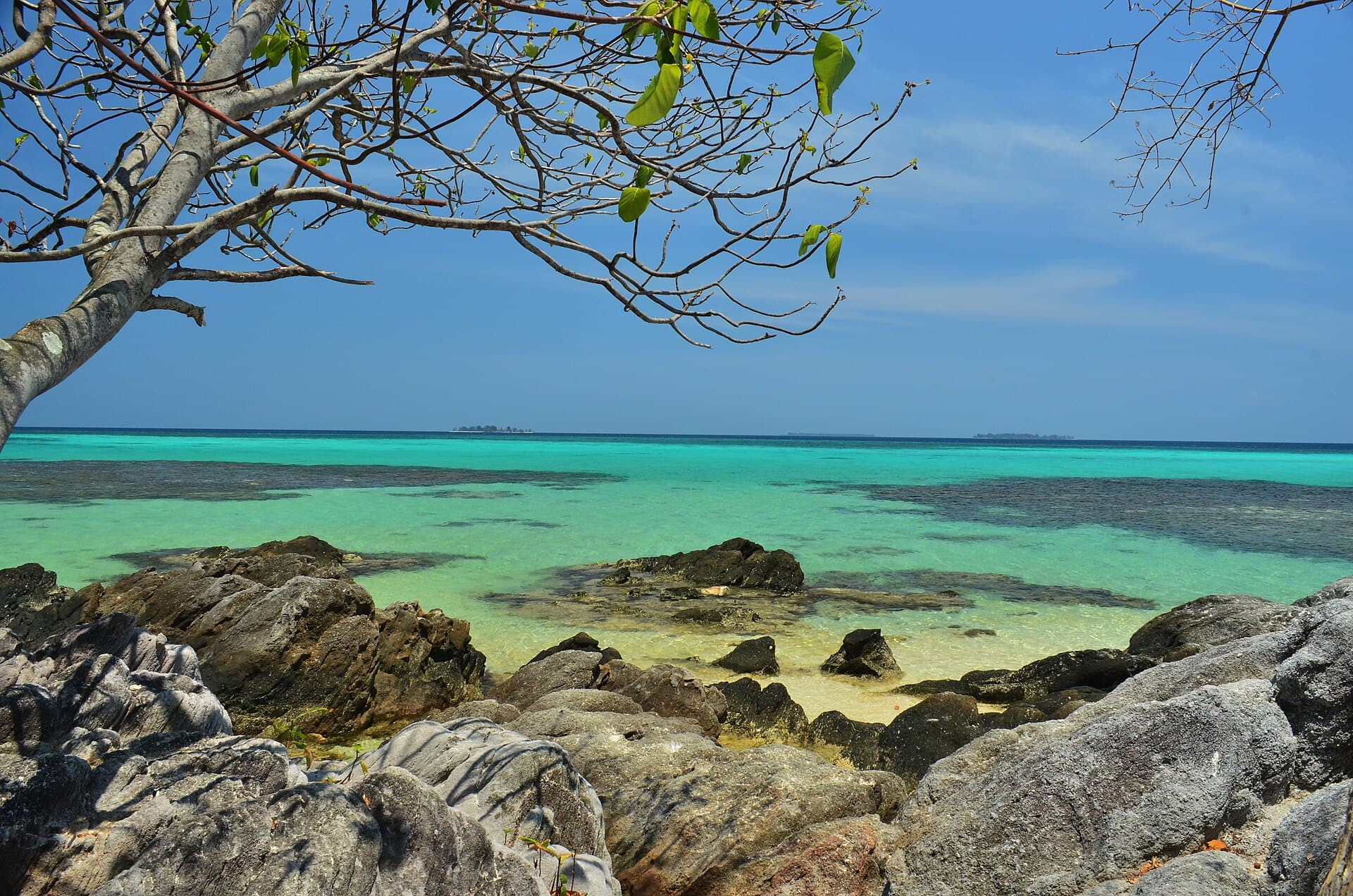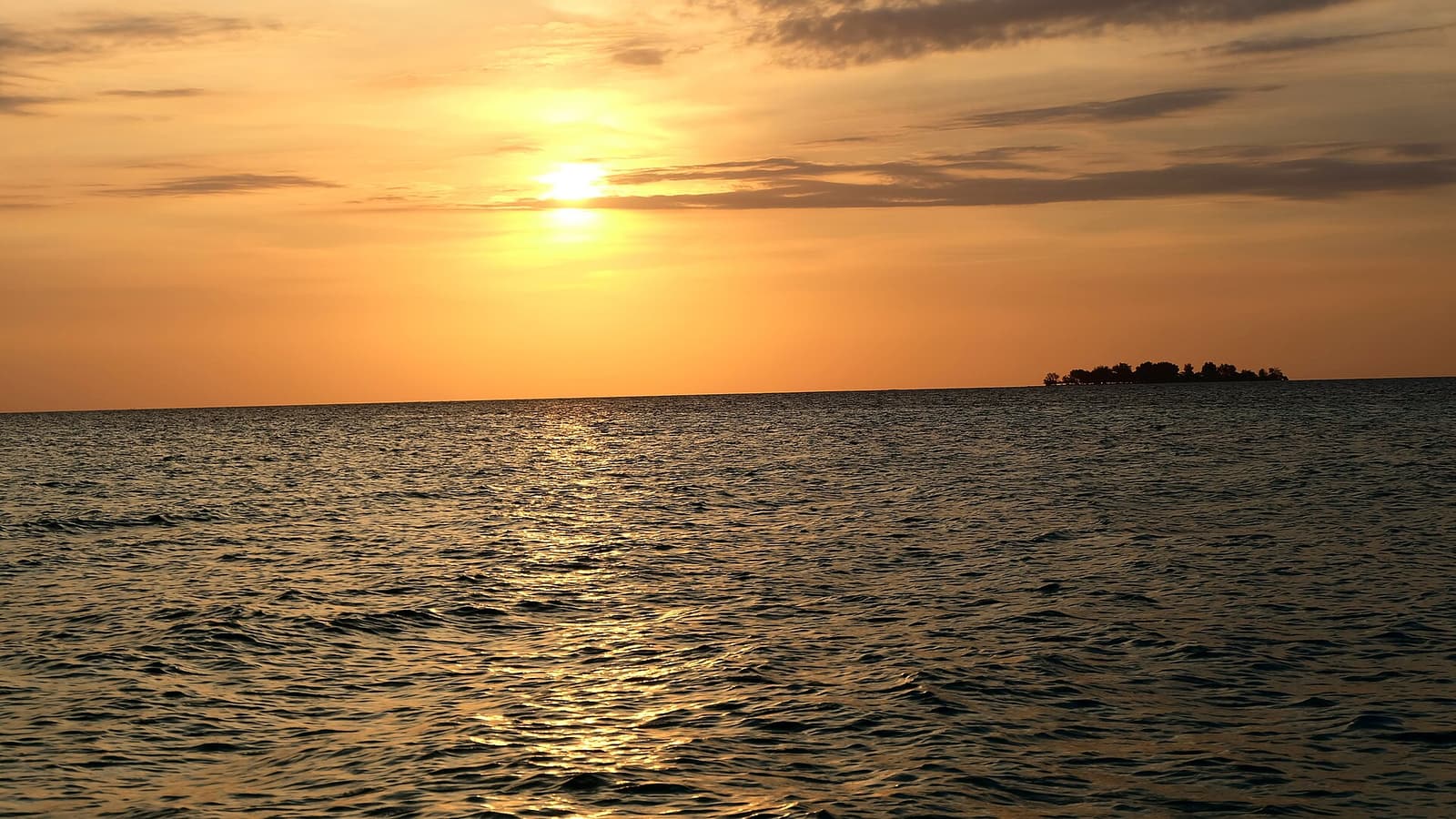
The short answer: come between April and October, and if you can choose, aim for April to June or September to October, when the sea is usually at its calmest and the islands are quiet. Avoid December to February unless your dates are completely flexible.
Karimunjawa is hot all year — daytime temperatures hover around 28–32 °C and the sea around 28–30 °C — so the question is never warmth. It is wind, waves and rain, because those determine whether the boats sail, how clear the water is and whether an island-hopping day is a pleasure or an endurance test.
The year, month by month
| Months | Weather | Sea & boats | Verdict |
|---|---|---|---|
| December – February | Wet season; west monsoon winds, heavy showers | Rough. Sailings often cancelled, sometimes for days | Avoid unless very flexible |
| March | Rain easing, still unsettled | Improving, cancellations still possible | A gamble that often pays |
| April – June | Dry season begins; sunny, light winds | Usually the calmest of the year; good visibility | Best all-round |
| July – August | Dry and sunny; steady south-east wind | Can be choppy, especially in the afternoon; boats generally run | Good, but busy and breezy |
| September – October | Dry, hot, winds drop | Calm again; clear water | Excellent and quiet |
| November | First rains return | Mostly fine, becoming changeable | Fine with a buffer day |
The dry season (about April to October)
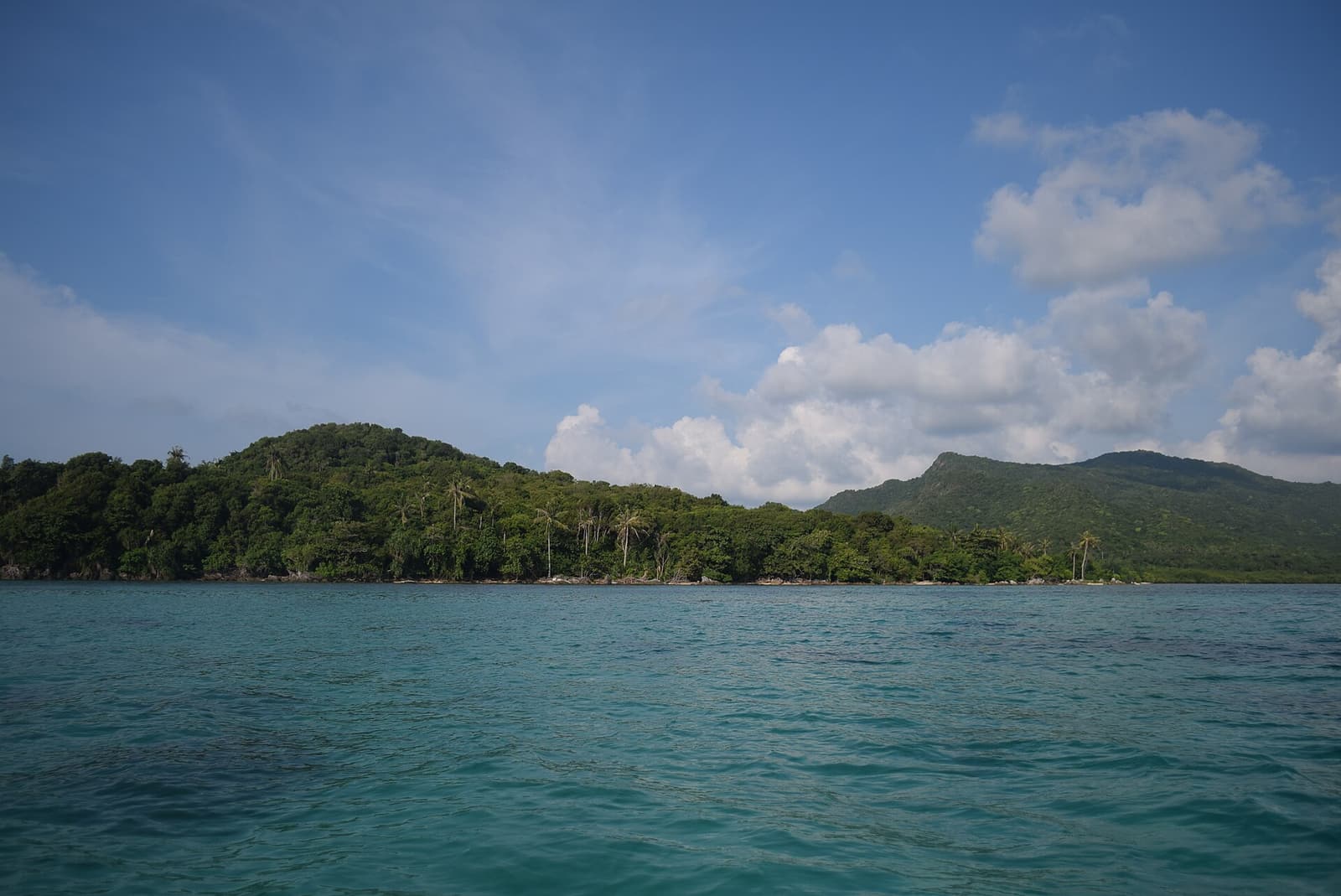
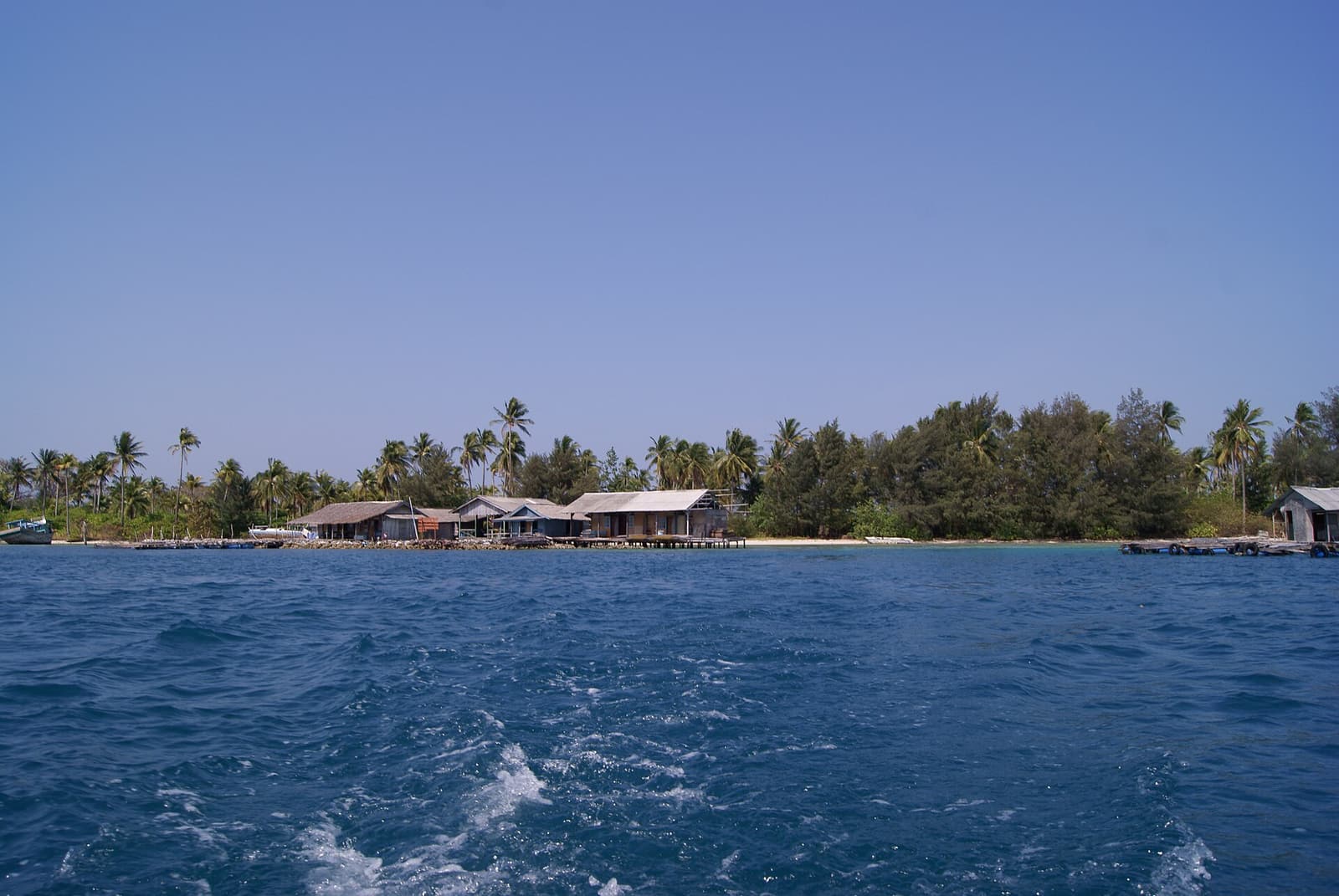
This is when Karimunjawa looks like its photographs. Days are sunny, rain is rare and the boats run to schedule most of the time. The shoulder months at either end — April to June and September to October — tend to have the lightest winds, the flattest water and the best underwater visibility.
In July and August the south-east monsoon blows steadily across the Java Sea. It keeps the air fresh, but it can raise a short, uncomfortable chop on the crossing and at exposed snorkelling sites, particularly after midday. Go out early and ask the crew to pick sheltered stops.
The west monsoon (about December to February)
From around December the wind swings to the west and north-west and brings the wet season: heavy downpours, grey skies and, more importantly, waves. The harbour authorities stop sailings when conditions are unsafe, and in a bad spell both the fast boat and the car ferry can stay in port for several days in a row. Travellers are regularly stranded on the islands at this time of year, and supplies in the shops run low.
If these are the only months you can travel, it is still possible: there are fine spells between the storms, prices are low and you will have beaches to yourself. But allow two or three spare days on the way out, book only refundable arrangements, and bring extra cash.
Crowds and Indonesian holidays
Karimunjawa is above all a domestic destination, so the calendar that matters is Indonesia’s. Boats and rooms fill, and the popular sandbars get crowded, during:
- Lebaran (Eid al-Fitr) and the week or two after it — the dates move earlier each year.
- School holidays, roughly late June to mid-July and again in late December.
- Long weekends around national holidays, including Independence Day on 17 August.
- Christmas and New Year — busy despite the weather risk.
In those periods book boats, rooms and transfers well ahead. The rest of the time — any ordinary weekday in May or September, say — you can turn up and arrange things as you go. During Ramadan the islands are very quiet and some warungs close by day; tourism services continue to run.
Best months for snorkelling and diving
Visibility is generally best in the calm transitional months of April–June and September–October. Wind-driven chop and plankton can cloud the water at other times, and after heavy rain. Water temperature barely changes through the year, so a rash vest or thin shorty is all you need.
Sunrise, sunset and the tide
So close to the equator, day length hardly varies: the sun rises around half past five and sets around half past five to six, all year. Tides matter more than you might expect — the sandbars and gosong are at their best at low water, while some beaches become too shallow to swim. Boat crews plan around it; if you are exploring by scooter, ask at your guesthouse.
So when should you book?
For the easiest trip, pick a weekday window in May, June, September or early October, and build in one buffer day at the end. Then sort out how you will cross and where you will sleep.